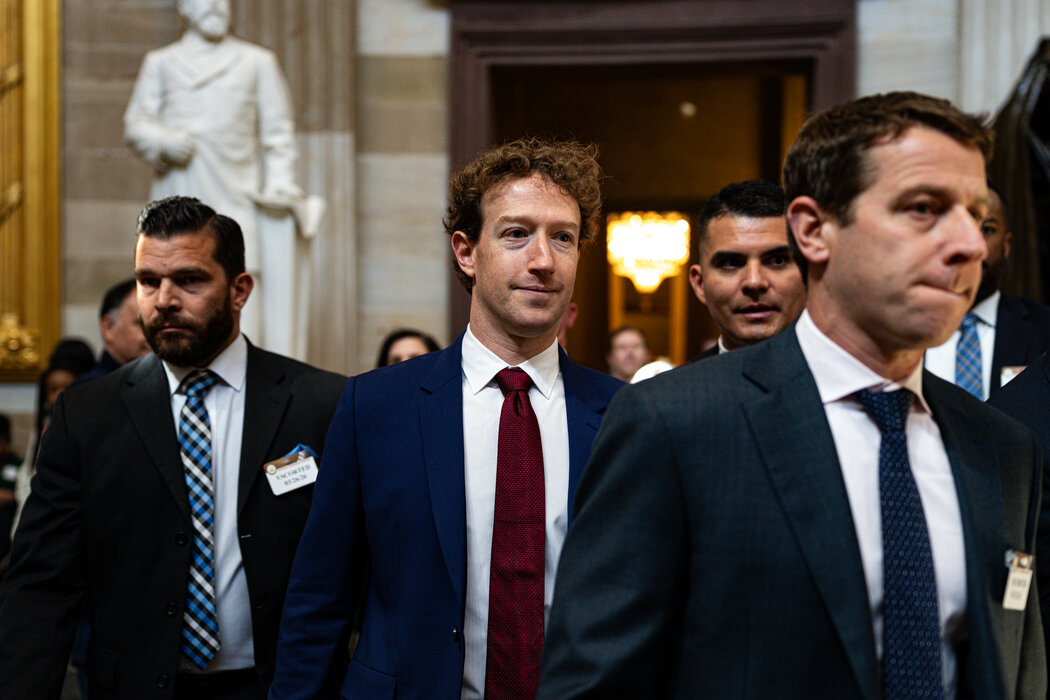
The US Federal Trade Commission (FTC), along with multiple states, filed an antitrust lawsuit against Meta seeking $1.4 trillion in damages—a historic record for the tech industry. The lawsuit alleges Meta illegally monopolized the social media market through its acquisitions of Instagram and WhatsApp, and used its market position to suppress competitors.
Meanwhile, other tech news includes: Apple leaking camera-equipped AirPods, Vivodyne using living tissue to train AI, and Reddit testing TikTok-style short video features.
- $1.4T is astronomical: Exceeds most of Meta's current market cap; losing could force company breakup or bankruptcy
- Antitrust enforcement escalates: The Biden administration targets tech giants as a priority; this case could set a precedent
-
Industry landscape may reshape: If Meta is forced to divest Instagram or WhatsApp, the social media market will be reshuffled
-
Google/Apple: Also face antitrust investigations; Meta's verdict will influence their strategies
- TikTok: If Meta stumbles, TikTok's competitive pressure in the US market may ease
-
Investors: Tech stock volatility intensifies; regulatory risk premiums need reassessment
-
Social media experience may change: If Meta is broken up, Instagram and WhatsApp may operate independently, with adjustments to features and policies
- Privacy protection may strengthen: Antitrust lawsuits often accompany data privacy demands; users may gain more control
-
Follow legal developments: This case could last years; the verdict will affect competition rules across the entire tech industry
-
Learn the basics: FTC.gov provides plain-language explanations and case studies of antitrust law
- Track case progress: Reuters and Bloomberg regularly update major antitrust lawsuit developments
- Participate in public comments: The FTC opens public comment periods when formulating new rules; ordinary users can also voice opinions