Breaking News
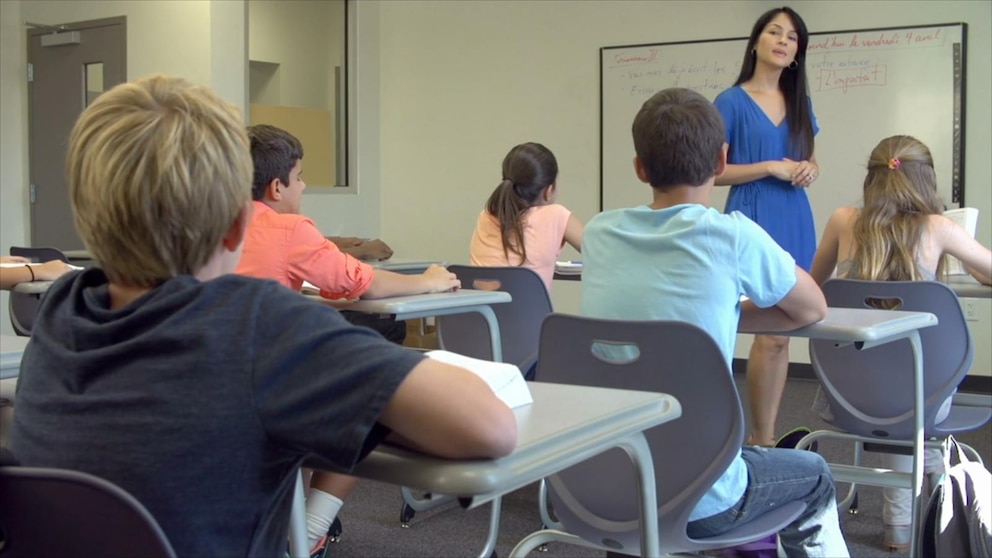
As the new school year begins, a batch of U.S. public schools is shifting from "banning AI" to "teaching AI literacy": students are encouraged to try chatbots hands-on and see their flaws — the confident fabrication, the hallucinations. Lisa Collum, founder of the writing-instruction company Top Score Writing, has publicly warned that AI is changing how children learn, and parents and teachers need to face it. At the same time, concerns about AI enabling cheating and eroding deep thinking are mounting.
AI chatbots are already every teacher's nightmare and every student's default homework tool. Studies show most teens and teachers use AI for schoolwork, yet almost no one has had formal training. If schools simply ban it, they risk repeating the social-media mistake — kids experimenting alone, unsupervised, with even bigger downsides.
OpenAI, Google, and Anthropic are all running training sessions in schools; states like Utah have legislated that every district must have an AI policy in place by 2027. But full AI-literacy training costs real money, and under-resourced districts may fall behind — deepening educational inequality. Tech giants in the classroom is both public good and a land grab for the next generation of users.
Parents, don't just panic about "kids cheating with AI" — teach them when not to use it. AI literacy isn't about writing good prompts; it's about knowing the boundaries — like the fact that a bot will confidently cite a study that doesn't exist. Outsourcing thinking to the machine is the real thing to guard against.
Our Take
A blanket ban rarely works; better to let kids puncture AI's illusions in a controlled environment. The worry shouldn't be whether AI enters the classroom, but whether children stop thinking for themselves. To question, to verify, to doubt — that's the basic literacy of the AI age.