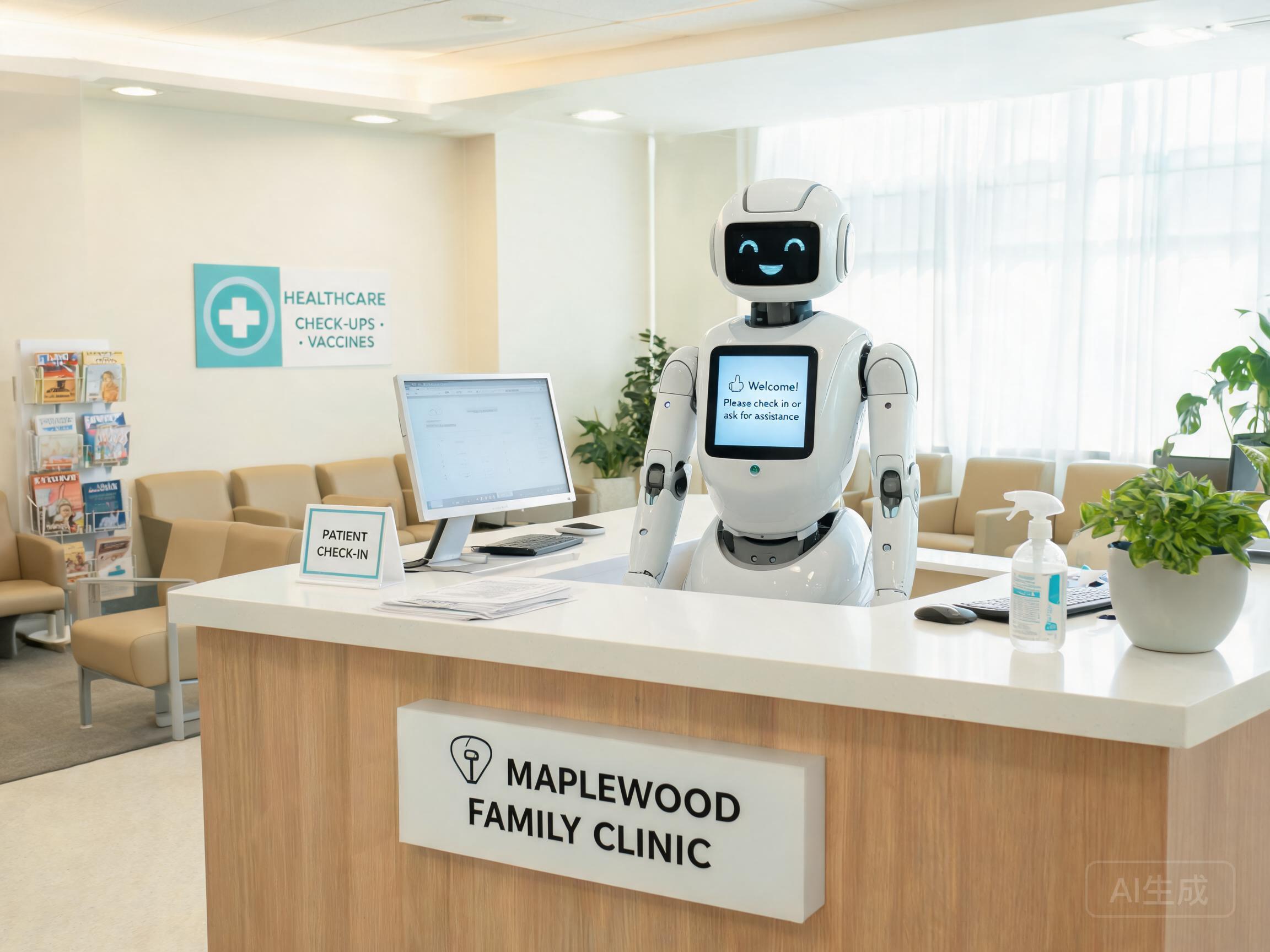
AI receptionists are supposed to make calling the doctor easier. But a growing number of patients are finding the opposite can be true - particularly when a machine struggles with the way they speak, understand instructions, or communicate their needs.
A recent case in South Yorkshire brings that problem into sharp focus. Judith Butterfield, a 71-year-old woman recovering from a stroke, told the BBC that an AI receptionist used by her GP surgery repeatedly failed to understand her speech when she tried to book an appointment. Her stroke left her speech fragmented and affected movement on the right side of her body. After several unsuccessful attempts, she registered with another practice. The surgery has since decommissioned the system.
The AI receptionist, known as EMMA and developed by QuantumLoopAI, was introduced to help GP practices handle telephone demand and reduce waiting times. Healthwatch Rotherham has reported complaints from patients who struggled to communicate with the system, including people with regional accents and speech impairments. The automated service reportedly asked Butterfield not to use speakerphone, but she needed to hold the phone in one hand because her other hand was affected by her stroke. When the system failed to understand her name, there was no human instinct to recognize something was wrong and ask her to repeat it differently.
The issue is broader than one system. Healthwatch England has collected similar accounts of patients encountering AI when booking appointments, requesting medication, and expressing needs. Some people with speech or learning difficulties said automated systems could not understand them. AI clearly appeals to overstretched GP practices - a system that answers calls immediately can reduce queues and free staff. But that safeguard only works if patients know it exists and can navigate the system long enough to use it. As practices continue experimenting with automated reception, the lesson from South Yorkshire is difficult to ignore: an AI receptionist should make it easier to reach a human, not become another obstacle between a patient and care.