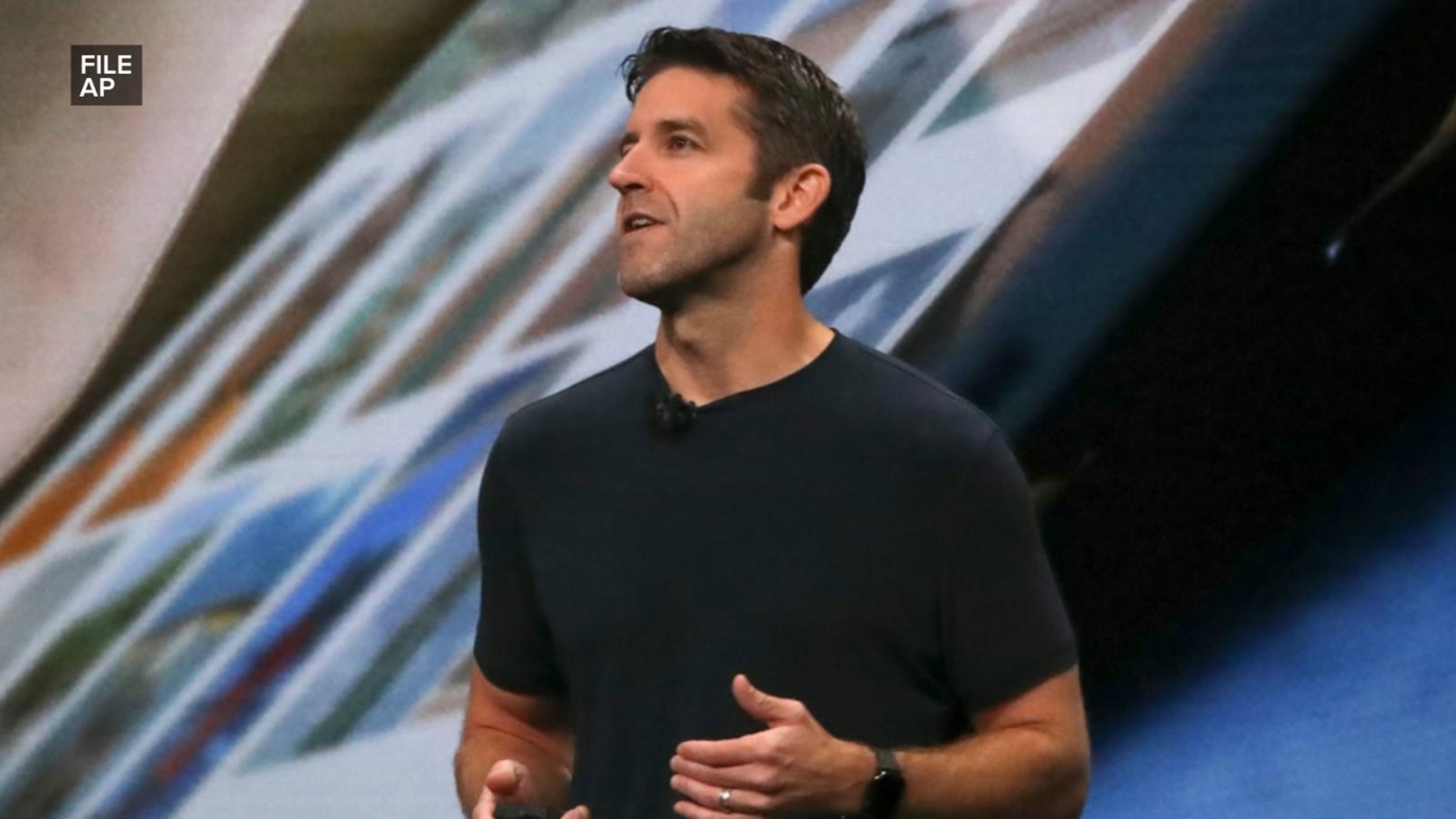
Apple has announced that hardware engineering SVP John Ternus will succeed Tim Cook as CEO, ending Cook's 15-year tenure that began in 2011. It's only the second CEO transition in Apple's modern history - from Jobs to Cook, and now from Cook to Ternus.
Ternus, known internally as a low-key, no-nonsense executive, joined Apple in 2001 and worked on virtually every core hardware product from the original iPod to the latest Mac Pro. His signature achievement was leading the Mac transition from Intel to Apple Silicon - widely regarded as the most successful chip migration in computing history. He also played a key role in the Vision Pro hardware architecture and the hardware evolution of iPhone, iPad, and AirPods.
The choice of Ternus signals Apple's strategic direction. In the AI era, deep hardware-software integration matters more than ever. Ternus demonstrated during the Apple Silicon transition that he understands how to use hardware to define software experiences - exactly what Apple needs as it competes on device-side AI acceleration rather than cloud-based models.
Wall Street reacted calmly. Investors are familiar with Ternus, eliminating the uncertainty of an outside hire. Apple's market cap remained stable.
Cook's legacy over 15 years transformed Apple from a $100B revenue company to nearly $400B, the world's most valuable company. He perfected supply chain management, grew services into Apple's second-largest revenue stream, and built an irreplaceable position in China. Ternus inherits a well-run company facing intense AI competition, Chinese market pressure from local brands, and growing EU regulatory challenges.
For consumers, Ternus' appointment won't change much in the short term - Apple's product roadmap is planned years ahead. But long-term, a hardware-focused CEO may tilt Apple's strategy toward "hardware experience" rather than "services revenue" - which could be good news for users who value Apple's hardware quality.