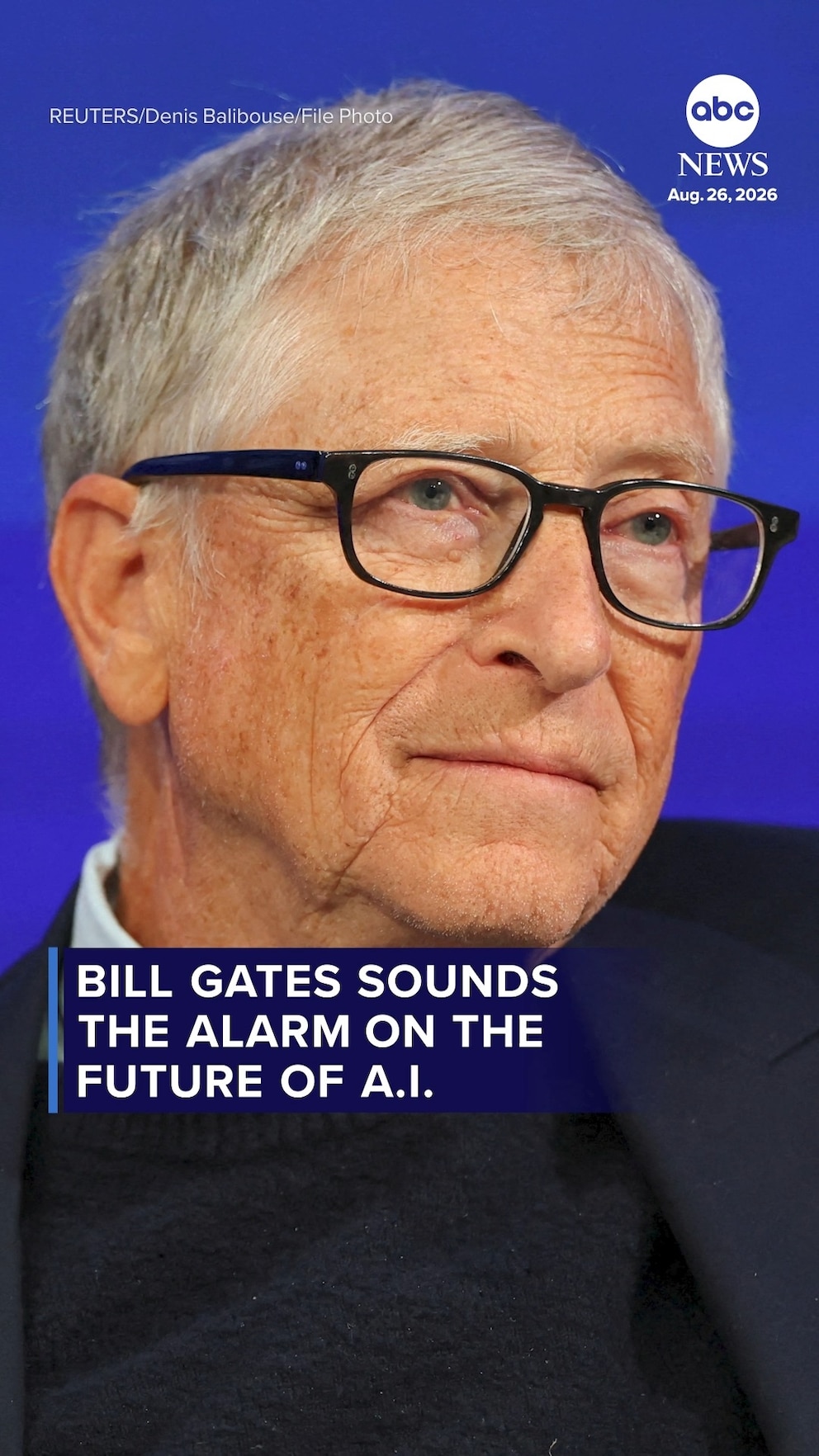
On August 26, 2026, Microsoft co-founder Bill Gates released a memo on the societal impact of artificial intelligence, expressing deep concerns about upcoming AI developments. He warned that this technology could bring unprecedented fairness or cause severe disparity.
Gates stated in his memo that AI will "either be the greatest equalizer ever invented, or the worst source of injustice." This assertion sparked widespread discussion in the tech community and among policymakers. An ABC News contributor elaborated on these developments in the accompanying video report.
1. The Dual Potential of AI
Gates believes AI has tremendous power to transform society, but this power can be used for good or ill: - Positive side: AI can help solve global issues like healthcare, education, and poverty, giving more people access to quality resources - Negative side: If unregulated, AI may widen wealth gaps, concentrating too much power in few hands
2. The Choice Between Fairness and Injustice
Gates emphasizes that whether AI becomes an "equalizer" depends on how we use it: - If AI tools become accessible to everyone, they can narrow educational and technological divides - But if only wealthy nations and individuals can afford advanced AI systems, it will expand existing inequalities
3. Need for Global Collaboration
Gates calls on governments, tech companies, and civil organizations worldwide to work together, ensuring AI development serves humanity's overall interests. He suggests: - Establishing international AI governance frameworks - Investing in AI education and training to help workers adapt - Ensuring transparency and explainability of AI systems
Facing rapid AI development and potential risks, here's a four-step practical method:
Step 1: Improve AI Literacy
- Learn basics: Understand what AI is, what it can and cannot do
- Follow authoritative sources: Subscribe to reliable tech news like MIT Technology Review, Wired
- Take online courses: Platforms like Coursera and edX offer free AI introductory courses
- Practice applications: Try using ChatGPT, Midjourney and other tools to experience AI capabilities firsthand
Step 2: Protect Personal Privacy
- Share data cautiously: Don't enter personal information on unknown websites
- Read privacy policies: Understand how apps collect and use your data
- Use privacy tools: Install ad blockers, VPNs and other protection tools
- Review permissions regularly: Check mobile app permission settings, disable unnecessary access
Step 3: Adapt to Career Changes
- Identify automation risks: Assess which parts of your job might be replaced by AI
- Develop irreplaceable skills: Creativity, critical thinking, emotional intelligence—abilities hard for AI to replicate
- Continuous learning: Stay open to new tools and technologies
- Explore new opportunities: AI will also create new jobs, such as AI trainers, prompt engineers, etc.
Step 4: Participate in Public Discussion
- Express opinions: Share your views on AI through social media and community forums
- Support reasonable regulation: Advocate for transparent AI development and usage standards
- Focus on ethical issues: Engage in discussions about AI bias, privacy, security, etc.
- Influence decisions: Support responsible AI policies through voting, petitions, etc.
Pro Tip: Join local AI study groups or online communities to explore AI impacts and coping strategies with others. Collective wisdom often produces better solutions.
Perspective: Balancing Innovation and Responsibility
Gates' warning reminds us that technological development itself is not the goal, but a means. The key lies in how we use these tools to improve human life.
AI's development speed has exceeded many expectations. From chatbots to self-driving cars, from medical diagnosis to artistic creation, AI is penetrating every aspect of our lives. This rapid transformation brings both opportunities and challenges.
We need to strike balance in several areas: - Innovation vs Safety: Encourage technological progress while ensuring no harm to humans - Efficiency vs Fairness: Pursue productivity without leaving anyone behind - Automation vs Employment: Use AI to improve efficiency while helping workers transition to new roles - Convenience vs Privacy: Enjoy personalized services while protecting personal data security
Gates' view represents a form of responsible technological optimism: believing in technology's potential while clearly recognizing its risks. This attitude is worth learning from for each of us.
For ordinary users, the most important thing is maintaining the ability to learn and adapt. AI won't replace humans, but people who use AI may replace those who don't. Rather than fearing change, embrace it and proactively learn how to survive and thrive in the AI era.
The next decade will be a critical period determining AI's development direction. Our choices will decide whether this technology serves all humanity or exacerbates existing inequalities. Everyone should participate in this conversation.