Breaking News
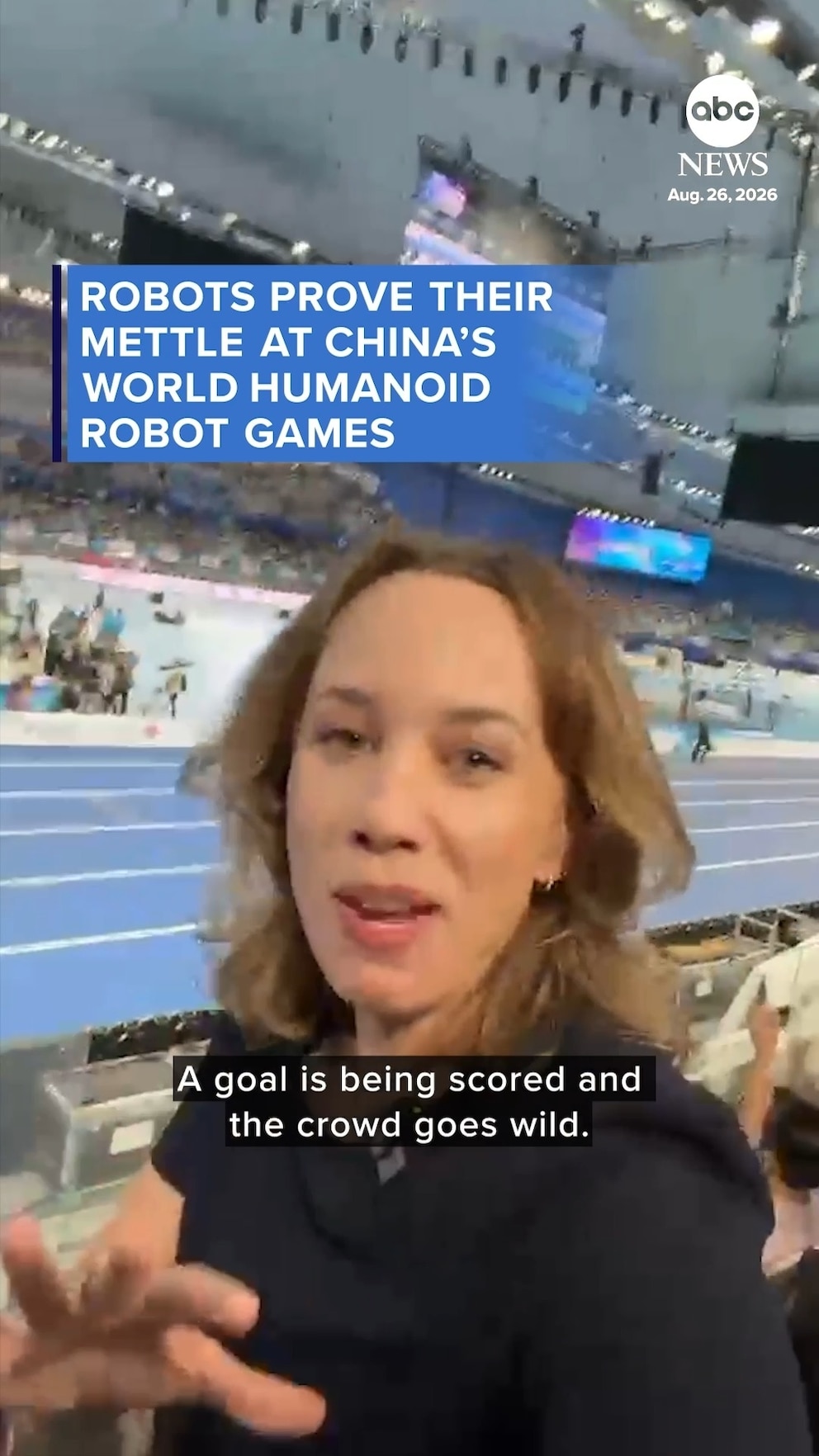
The second World Humanoid Robot Games closed in Beijing, with more than 2,000 humanoid robots from 16 countries competing in Olympic-style events — running, boxing, soccer. China's "Tiangong Ultra" (built by the Beijing Innovation Center of Humanoid Robotics, X-Humanoid) broke the 100m record three days running, finishing at 8.64 seconds — faster than Usain Bolt's 9.58-second human world record.
This isn't just spectacle. The footage of robots crashing into padded barriers, throwing sparks, getting sprayed with fire extinguishers, and being carried off on stretchers shows exactly where "embodied AI" stands: rough, fragile, but advancing fast. China is betting heavily on physical AI as a pillar in its tech race with the United States.
Robots have moved from show floors to real-task events: housework, hotel service, emergency response all made it onto the program. Capital and policy will tilt further toward humanoids, lifting the supply chain — motors, sensors, large models. But "runs fast" isn't "useful": reliability and cost remain the hard bottlenecks for deployment.
Don't be scared by "robots beat humans" headlines. Right now they're expensive demos, far from doing your chores at home. But the trend is clear: over the next decade, robots will move from factories to the service front line. Today's games are tomorrow's industry rehearsal.
Our Take
8.64 seconds is thrilling, but the real milestone isn't speed — it's whether robots can work reliably, safely, and cheaply. China's playbook is "use the games to force the industry forward." On that road, the stumbles and sparks tell you more than the gold medals. Progress was never a straight line.