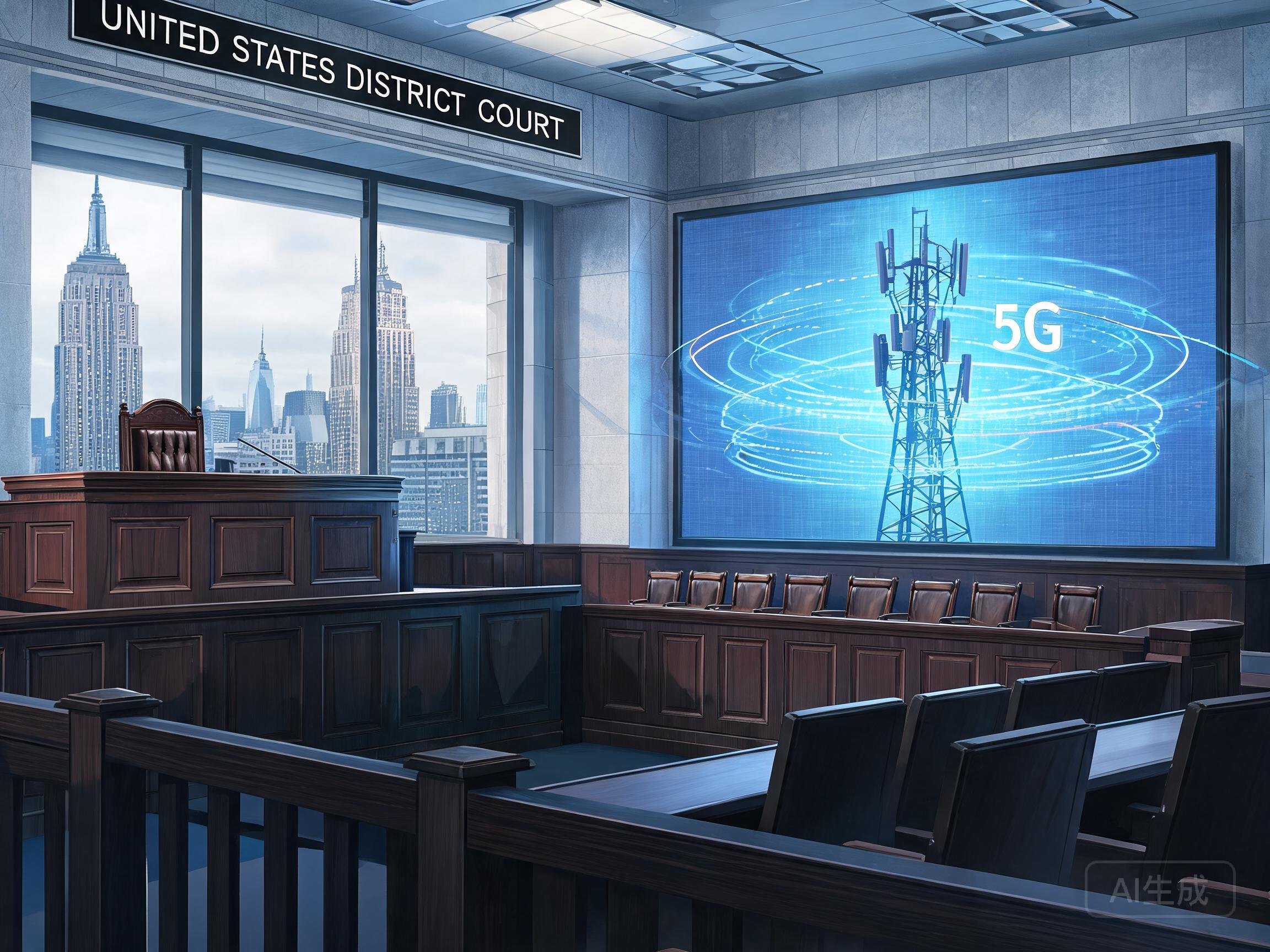
The world's biggest supplier of telecommunications network gear faces a long-running legal showdown in New York this week: a criminal racketeering trial. The indictment alleges Huawei stole technology, plotted to steal US trade secrets, and committed wire and bank fraud, among other crimes. Jury selection is scheduled to begin Tuesday.
The indictment also alleges that, besides stealing trade secrets, Huawei and some of its subsidiaries did business in North Korea despite US sanctions there and installed surveillance equipment that helped Iran spy on protesters during 2009 anti-government demonstrations.
Huawei's lawyers have tried to get the broad criminal case dismissed, arguing in court filings that the US allegations were too vague and impermissibly tried to extend American authority abroad. The company said in a statement that the narrative pushed by US prosecutors is "demonstrably false." "Long-term investment in innovation, backed by the utmost respect for intellectual property, has been the driving force behind Huawei's business success."
Huawei is the world's biggest supplier of gear for wireless telecom networks, but it is banned from selling equipment to US carriers over fears it poses a security risk, and has also been blacklisted by Western allies like Canada and Britain. The case traces back further — in late 2018, Huawei CFO Meng Wanzhou was arrested in Canada on a US extradition request, with US prosecutors charging her with fraud for misleading HSBC bank about the company's business dealings in Iran. In September 2021, Meng was released in a high-stakes prisoner swap and returned to China; the US dropped its extradition request and agreed to dismiss the fraud charges against her.
But the criminal case against Huawei itself did not end there. During Donald Trump's first term, his administration raised national security concerns about Huawei and began lobbying Western allies against using its products in next-generation high-speed wireless networks. The US announced the criminal charges in early 2019 and has since expanded the allegations. Chinese officials said the US government has engaged in "economic bullying" and improperly used national security as a pretext for "oppressing Chinese companies."
Under sanctions, Huawei has struggled to hold onto market share — restrictions have cut off its access to most US processor chips and other technology. These limits have instead driven Huawei to ramp up its own development of computer chips and other advanced technologies, and more recently it has expanded into chipmaking as the AI boom fuels demand for microprocessors.
The trial's significance extends far beyond one company. It takes place at the peak of US-China tech competition: Washington tightens technology restrictions on China in the name of national security while Chinese companies accelerate independent innovation. Whatever the verdict, this case will stand as a defining example of how America treats Chinese tech giants.