Mark Zuckerberg has a vision: everyone will own a highly capable personal AI agent that understands your goals, remembers what you care about, and handles the drudgery of your digital life. On September 8, that vision became Meta's first product — a personal AI agent called Muse launched in the United States, open to users 18 and older.
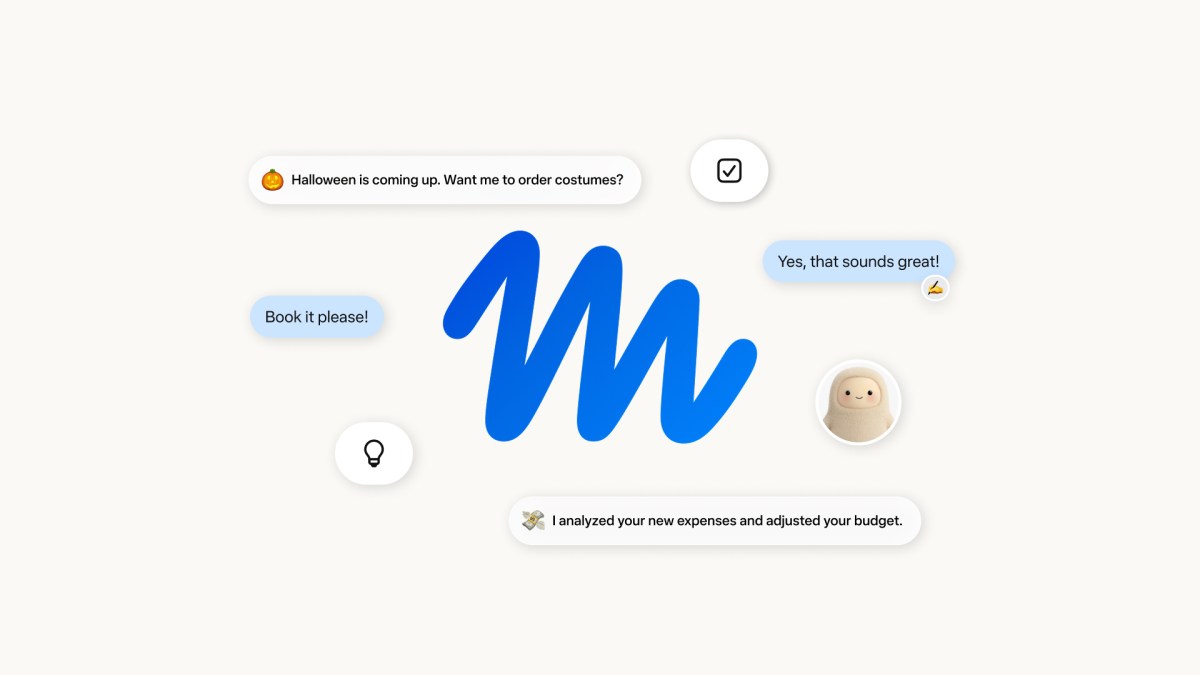
Muse differs fundamentally from the chatbots people are used to: it doesn't just answer questions — it does things for you. Tell it "book my flight to Tokyo next Friday," and it will make a plan, open a browser, fill out forms, even negotiate prices when needed. Say "sell my used car," and it handles everything from photographing the listing to connecting with buyers. Simple tasks like sending emails or booking restaurants, and ambitious goals like "create a year-long fitness plan" or "start a new business," are all within reach. Powered by Meta's most capable model, Muse Spark 1.3, Muse is accessible via a dedicated app, the web, or WhatsApp.
Security design is the highlight of this launch. Meta emphasizes that Muse runs on a dedicated "Secure VM" — a cloud computer isolated from the outside where both the agent and user data reside. A separate "Sentinel" agent sits apart from Muse at the system level, approving any of Muse's internet actions. Sensitive operations (sending emails, completing purchases) require user confirmation before execution, and users can review a complete audit trail at any time. Payments go through Stripe's Link wallet, generating one-time-use cards so real card details stay hidden.
Zuckerberg's expectations for the product are sky-high. In an earlier 6,500-word manifesto, he stated that consumer personal AI assistants are Meta's "biggest business opportunity" — the key step in transitioning from a "social platform" to a "personal intelligence platform." Meta has roughly 3 billion users across WhatsApp, Instagram and Facebook — distribution channels OpenAI and Anthropic can't match. Muse offers a free tier and two paid subscription levels, attempting to extend AI from a "conversation tool" to a "personal task execution platform."
Criticism isn't in short supply, though. Reuters reported that Meta employees found privacy risks, security flaws and "failure modes that made it unreliable" in internal testing. Legal observers note that having an AI agent act on your behalf raises accountability questions — if Muse signs you up for a subscription you shouldn't have, who's responsible? Meta acknowledges that giving AI access to personal data and accounts creates new security and privacy risks, and delayed the launch to strengthen protections.
From an industry perspective, Muse's release marks AI competition entering a new phase: the era of chatbots competing over "who talks better" is passing, replaced by "who can actually get things done." Google, OpenAI and Anthropic are all doubling down on agent products, and Meta's bet is "easiest to use + largest distribution." When an AI appears in your WhatsApp that can book flights, sell your car and fill forms, the day AI moves from tool to "digital butler" may be closer than we think.