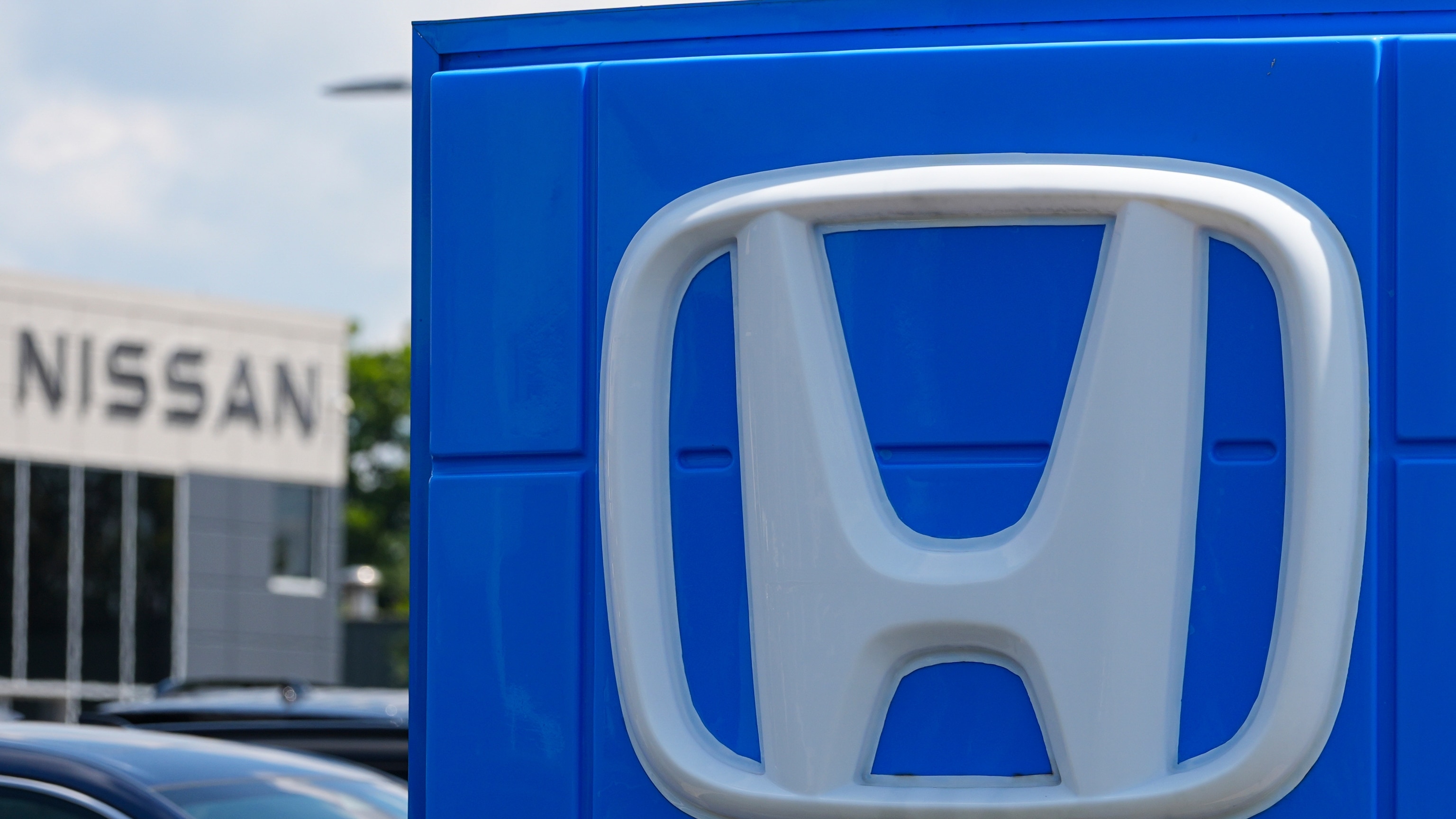
Nissan and Honda have agreed to jointly develop core electronic control units and software, targeting a market launch in fiscal 2029. The two Japanese automakers, who began talks in 2024 about EV and intelligence technology collaboration, have now formally extended their partnership to the software layer.
Under the deal, the two companies will share standardized core ECU components and software. These software-defined vehicles can have their features upgraded and controlled through software updates rather than mechanical changes — meaning a car sold in 2029 could still receive new features in 2035 via OTA updates. A modern car runs over 100 million lines of code, more than a Boeing 787. Whoever owns the software platform owns the next generation of vehicles.
Sharing components and joint R&D cuts costs and accelerates development. With the massive investment required for the EV transition, going it alone is increasingly unrealistic. Both Nissan and Honda trail Toyota in software — Toyota has already partnered with Subaru, Waymo, and others — making this something of a "team-up to catch up."
European automakers Volkswagen, BMW, Mercedes-Benz, and Stellantis are already collaborating on software, sharing the same operating system. Chinese automakers BYD and NIO have fully embraced software-defined vehicles, leading in OTA updates and smart cockpits. Tech companies like Google, Huawei, and NVIDIA are becoming major players in the automotive software platform space, threatening traditional Tier 1 suppliers.
"Software-defined vehicle" isn't industry jargon — it's a real change in consumer experience. The car you buy is no longer a fixed hardware product but a platform that can evolve through OTA updates. A car purchased today might gain new autonomous driving capabilities years later through a system update, just like your phone gets new OS versions. When choosing a car, you'll need to care not just about horsepower and wheelbase, but about "how strong is this company's software team."
Nokia wasn't lazy in the feature phone era — it lost because it treated software as an accessory to hardware. Nissan and Honda's partnership shows they understand this, but 2029 is a long way off. In an industry where three years can change everything, the winner won't be determined by who announces a partnership first, but by who delivers a truly great software-defined vehicle first.