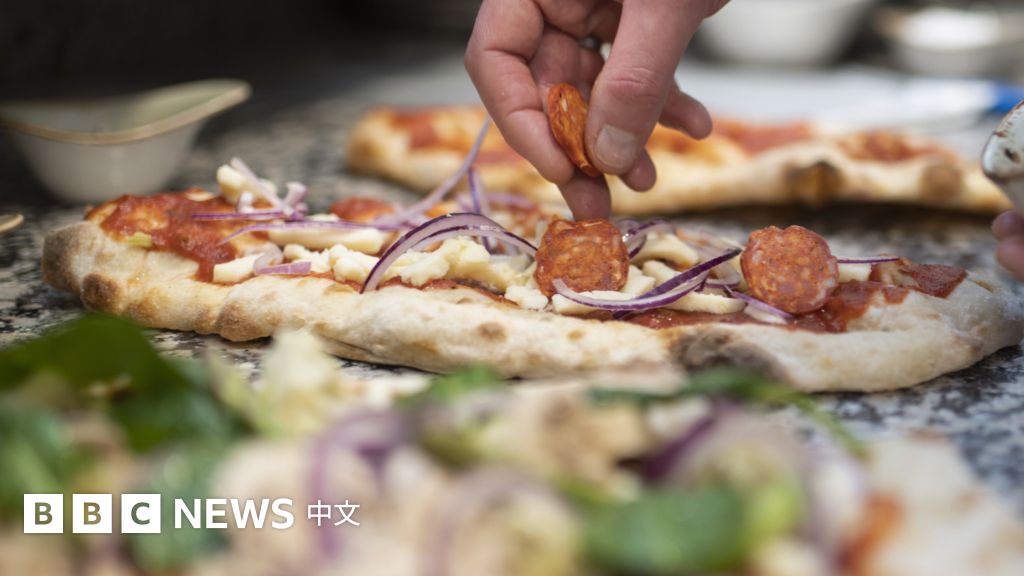
Pizza robot startups Zume, Picnic, and Pazzi have collapsed. "Overpromised and underdelivered," the BBC reports. Reading this, you might feel relieved: robots still can't do it, human jobs are safe.
But if you're a pizza chef who's spent five years in a fast-food kitchen, it's not that simple.
Zume is gone, but its 300+ patents were acquired by Miso Robotics. Miso's fry-cooking robot Flippy is already working in fast-food restaurants across the US — it doesn't call in sick, doesn't complain, doesn't get the oil temperature wrong, and costs less per month than a human employee. The startups failed; the technology didn't. The venture capital hype bubble popped, but the tech itself has seeped into the back of the kitchen, quietly and without press releases.
The jobs that robots were supposed to take haven't been given back — they've been taken in a different way.
Fast food is one of America's largest employers of low-skill labor, and it's the industry most directly exposed to automation. A single pizza robot can replace 3-5 kitchen workers. When Zume and its peers were raising big rounds, each job loss made headlines. When the technology goes quiet and stops making PR, the losses become silent — nobody reports "500 more kitchen jobs eliminated by automation this month."
The irony is brutal. In 2019, when Zume was raising money, the media screamed "robots are coming for your job." Unions protested. The public was outraged. Now that the pizza robot startups have failed, the media says "robots aren't that good after all, your job is safe." In between those two headlines, Miso's Flippy quietly entered hundreds of fast-food kitchens — and this time, almost nobody noticed.
If you're a food service worker displaced by automation, there's a strange absurdity to it all: when robots threatened your job, everyone was talking about it. When robots actually took your job, the conversation had already moved on, because "the startup failed, so automation must be overhyped."
The truth is, the high-profile pizza robot experiments failed, but the quiet, undramatic automation of frying, salad-making, and coffee-making is succeeding. They don't call themselves "robots" anymore. They're "automated kitchen solutions." They don't raise venture funding, they don't make headlines, they don't hold press conferences. They just quietly appear in the back of the fast-food restaurant where you ordered your lunch. Until one day, you realize your fries weren't cooked by a human — and you didn't even notice the change.