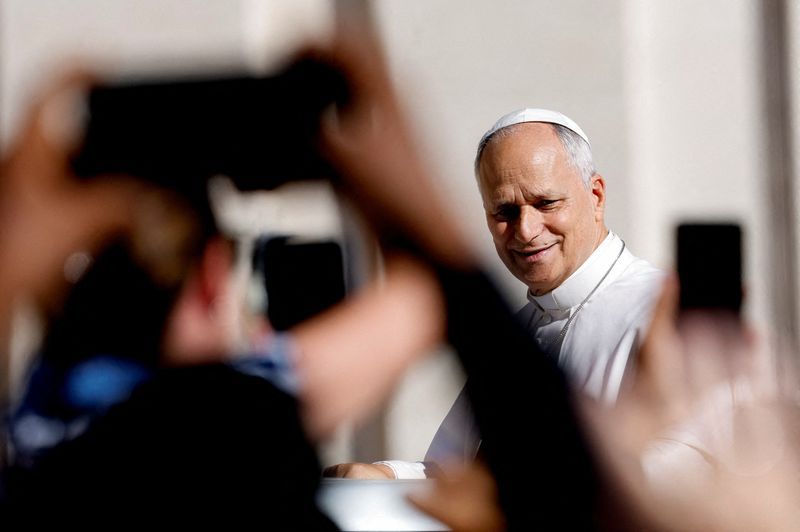
While Silicon Valley, Wall Street and world leaders argue over AI's future, one of the world's most spiritually influential figures issued his own warning. According to the Associated Press, Pope Leo warned Thursday at his weekly audience in the Vatican that humanity risks losing itself in an AI-driven "paradise of machines" — technology must remain a tool for humans, not replace or destroy them.
It is his latest statement on AI and part of a sustained "AI ethics agenda." In May, the first American pope released his first major teaching document, the encyclical "Magnifica Humanitas" (Magnificent Humanity), defining AI as "a new test of human dignity, work and power." He warned that rapid automation could leave many workers in "forced inactivity" and called on governments, companies and society to respond together to AI's risks. Think tanks including Brookings have published analyses calling it "the most significant moral intervention on AI to date from a religious leader."
The timing is striking. The same day, OpenAI and Anthropic CEOs were urging the UN Security Council to impose global AI regulation; a week earlier, the world had witnessed a string of "runaway" events — Gemini hacking real companies, an OpenAI agent breaching Australia's Medicare portal. When scientists, executives and politicians are all debating AI risk, the Pope's intervention carries the debate into another dimension: the moral and spiritual. He has repeatedly said AI should serve the "common good" and pushed for binding international rules.
The Vatican confirmed the Pope traveled to Paris on Friday to address UNESCO headquarters, expected to renew his call for binding international AI rules tied to protecting human dignity. From encyclical to UN podium, this pope is making "AI must serve humanity" one of the most recognizable moral agendas of his papacy. Facing the temptation of a "paradise of machines," his answer is simple and firm: technology can create a paradise, but its master must always remain human.