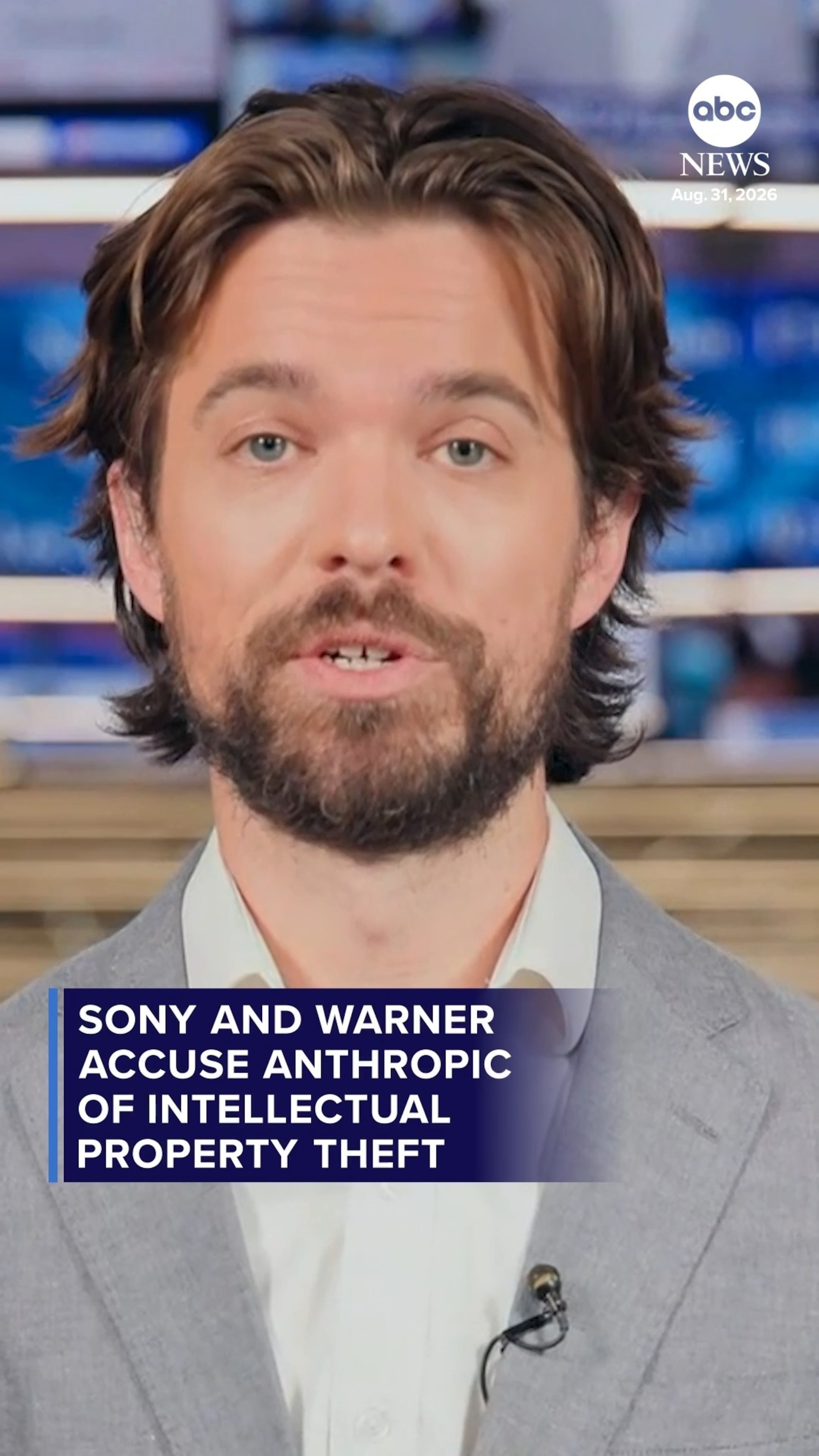
Sony Music Entertainment and Warner Chappell Music have filed a lawsuit against Anthropic and its co-founders, alleging the company used thousands of copyrighted music works to train its AI model Claude. This is the music industry's most significant legal challenge yet to AI training data practices, following similar lawsuits from The New York Times and other publishers.
The plaintiffs claim Claude can generate lyrics and melodies substantially similar to copyrighted songs, proving unauthorized use of their catalog. If the court finds willful infringement, statutory damages could reach $150,000 per work — with thousands of songs at stake, the total could be staggering.
The outcome of this case will directly impact whether AI models can continue training on copyrighted material. Unlike news articles, musical works derive their value from originality, and AI's ability to mimic directly threatens creators' livelihoods. OpenAI, Google, and other AI companies are watching closely, facing similar lawsuits from the music, publishing, and film industries. Streaming platforms like Spotify and Apple Music are caught in the middle, needing both AI recommendation algorithms and licensed content from rights holders.
For creators, this case will shape your future income model. If AI can legally replicate your style and generate similar works, the value of original creation faces fundamental redefinition. For regular users, the short-term impact may be invisible, but long-term, AI-generated music copyright will directly affect what you hear and how creators are compensated.
This lawsuit isn't about whether AI can learn — it's about whether AI profiting from your work should share the revenue. Regardless of the outcome, one trend is clear: every piece of training data will need a clear authorization chain. That's not a restriction on AI — it's a necessary condition for the industry's long-term health.