Image source: SpaceX via AP
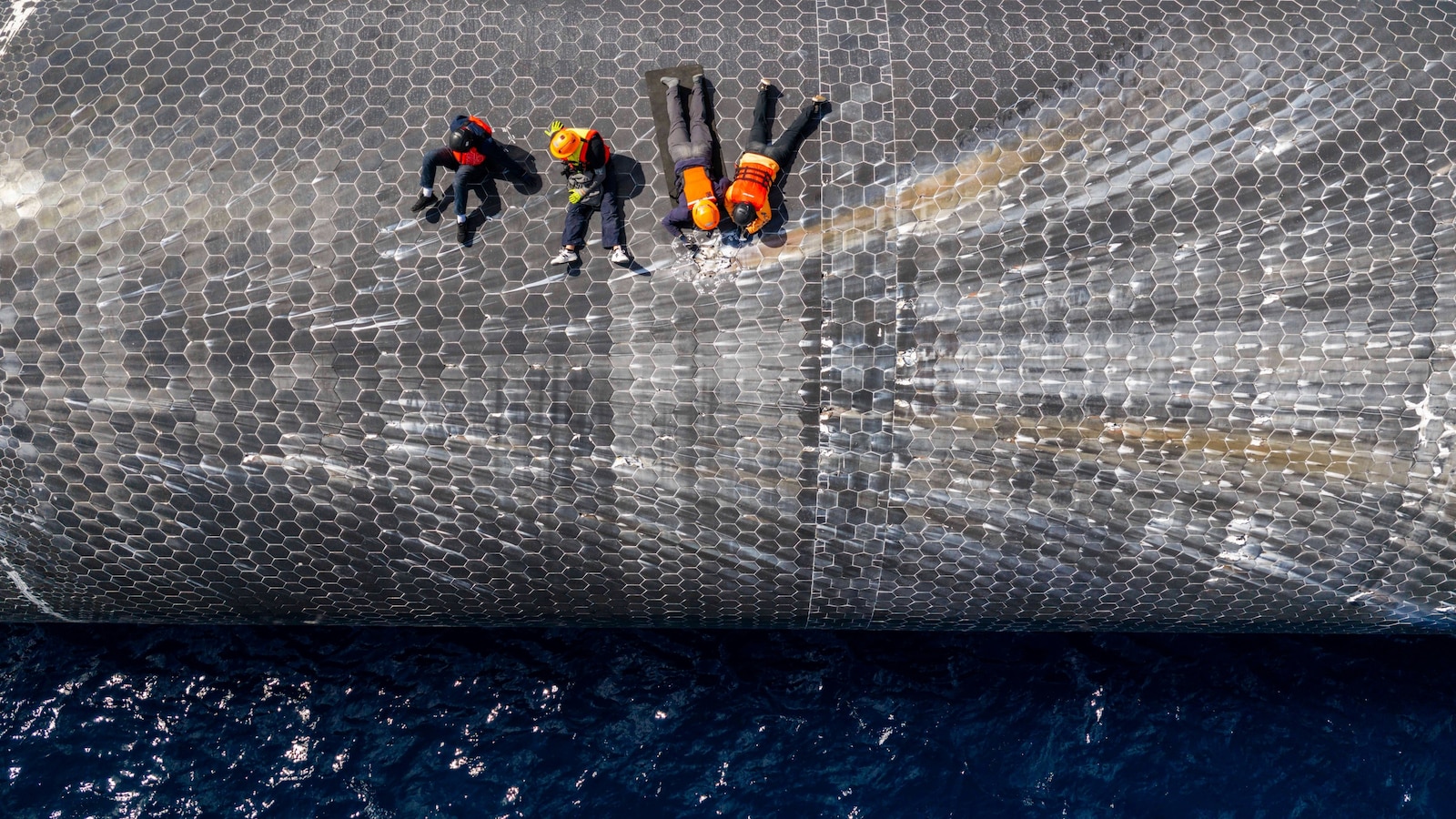
SpaceX has completed its biggest salvage operation yet: the Starship launched on July 24 was recovered intact after floating in the Indian Ocean for nearly a month, and is now being shipped back to the company's Texas home base - a trip expected to take months. SpaceX shared recovery photos taken near Christmas Island this week.
This was the 13th test flight of a full-up Starship. Unlike all previous flights, it survived the hour-long, space-skimming flight and remained floating and intact, eventually being towed back by the recovery team. SpaceX posted on X: "Congratulations to the entire SpaceX Recovery team for battling through challenging conditions," adding that the recovery gives engineers "access to a wealth of data."
Starship is no ordinary rocket - it is Elon Musk's vehicle for getting people and equipment to Mars, and NASA is counting on it (along with Jeff Bezos' Blue Moon lander) to return astronauts to the lunar surface as early as 2028.
The recovery matters symbolically and practically: - Reusability goes further: Falcon 9 proved booster recovery; this is a complete vehicle recovered intact - not half a booster, but the whole spacecraft - Data gold: A returned Starship lets engineers inspect the real post-flight state of a vehicle that flew for over an hour - something telemetry alone can never replace - Engineering confidence: Spending months to ship a 50-meter-class rocket home signals real confidence in Starship's reliability and repairability
- President Trump, visiting NASA's Johnson Space Center, presented Congressional Space Medals of Honor to the four Artemis II astronauts who circled the moon in April, endorsing both Starship and Blue Moon
- China's private space sector is catching up: LandSpace's Zhuque-3 first stage was recovered - China's first private orbital-class booster recovery. The "recovery race" is heating up globally
Space exploration is entering the "recovery era": rockets are becoming reusable vehicles instead of single-use consumables. Like aviation before it, this will eventually push launch costs down to levels ordinary commercial players can afford. In the next decade, the headline you see may not be "a rocket was built" but "a rocket flew for the 20th time."
- Follow the Artemis II timeline - The first crewed lunar flyby since Apollo. Watch NASA and SpaceX official channels; key milestones: Artemis II lunar flyby, then Artemis III landing (targeted 2028)
- Know the difference between "recovery" and "full reuse" - Falcon 9 is partial reuse (booster); Starship targets full reuse (ship + booster + tankers). When reading news, identify which stage it is to gauge technical significance
- Track China's private space players - Zhuque-3's recovery is a milestone. Follow LandSpace and other private Chinese launchers - the progress bar is moving fast