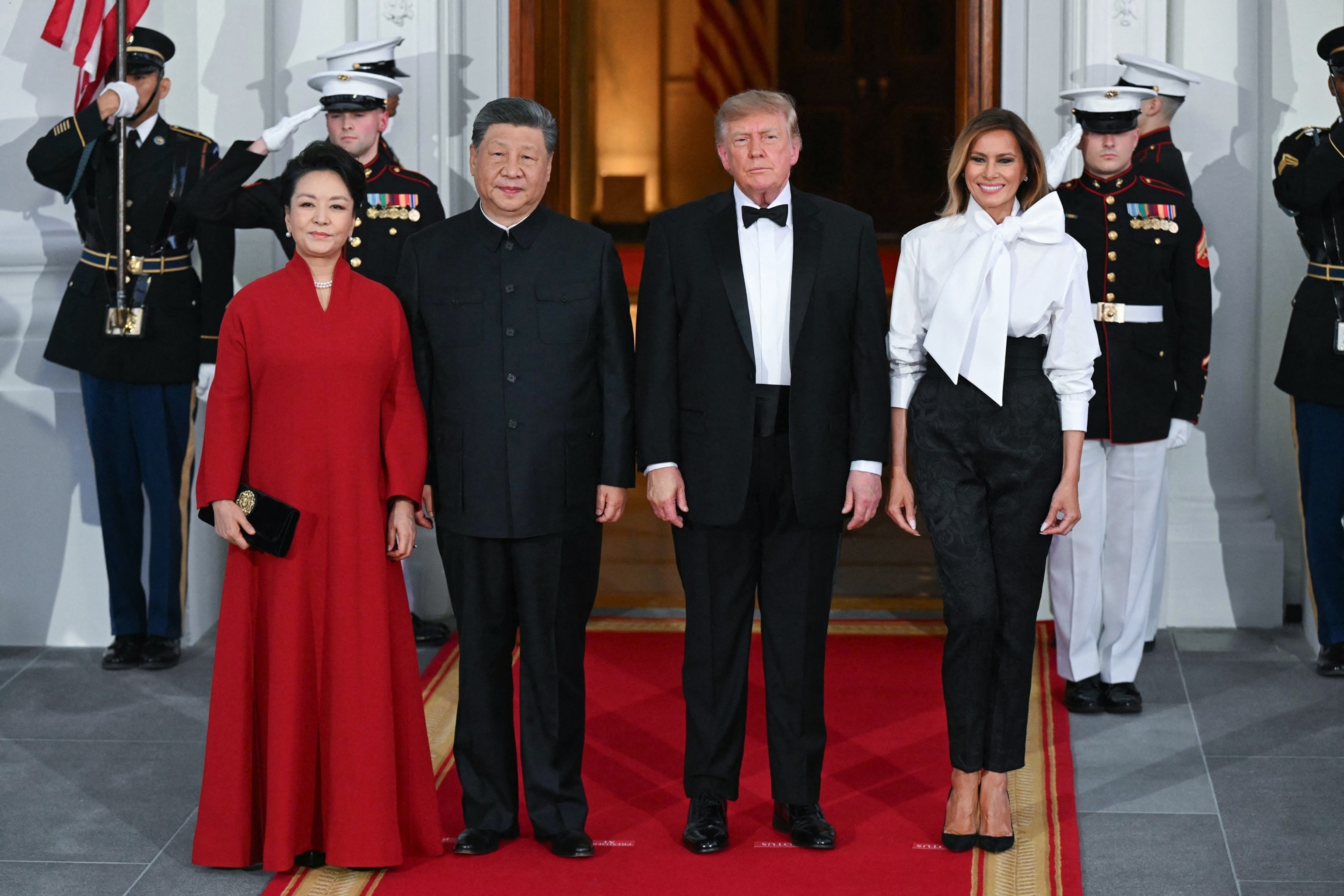
Less than six months after their last meeting, the leaders of China and the US shook hands again. On September 24, President Xi Jinping held talks with President Trump at the White House — and among the state visit's most notable outcomes was an agreement to establish an AI emergency hotline between the two countries. AI safety has entered the heads-of-state agenda for the first time.
According to US officials and media, the hotline will serve as an emergency channel for AI-related sudden-risk events between the two nations, covering "shared risks" such as rogue agents and large-scale cyberattacks. Xi stressed during the talks that AI must remain "under human control" — the highest-level articulation of Beijing's AI governance stance, consistent with State Security Minister Chen Yixin's "six AI risks" narrative. The Chinese commerce ministry subsequently confirmed a first official AI dialogue between the two countries, and the eighth round of economic consultations reached multiple consensuses, with the trade truce extended to January.
The summit's symbolism nearly rivals its substance. The White House extended full state protocol: arrival ceremony, honor-guard review and state dinner, with Trump repeatedly hailing a "truly great friendship" with Xi. Xi invoked the "Thucydides Trap" to warn against the historical fate of great-power conflict, urging the transformation of "constructive strategic stability" from vision to action. Beneath the diplomatic language lies a profound shift in AI governance: days earlier, AI chiefs had urged the UN Security Council to impose global regulation; now, the two AI superpowers chose to build communication channels for AI risk management on their own bilateral track first.
Differences remain, of course. Washington has long focused on China's use of open-source models for cyberattacks and "distillation"; Beijing criticizes US chip controls for severing supply chains. The White House's internal debate over AI threats continues, with Trump having dismissed risk warnings as a "hoax" just a week earlier. But the significance of this AI hotline is that it transcends the disagreement itself — regardless of how each side defines risk, a phone line that can be dialed in an emergency is itself a starting point of trust. The AI governance contest is moving from company boardrooms and UN podiums to the negotiating table of great powers.